
DELF A1 · ÉPREUVE ORALE

Cette épreuve s’appelle l’échange d’informations. Le candidat tire au sort des cartes portant un mot-clé et doit formuler une ou plusieurs questions à partir de ce mot pour mieux connaître l’examinateur. Il n’est pas obligatoire d’utiliser le mot de façon littérale, mais il faut conserver l’idée générale du mot-clé.
3 exemples de courriels DELF A1
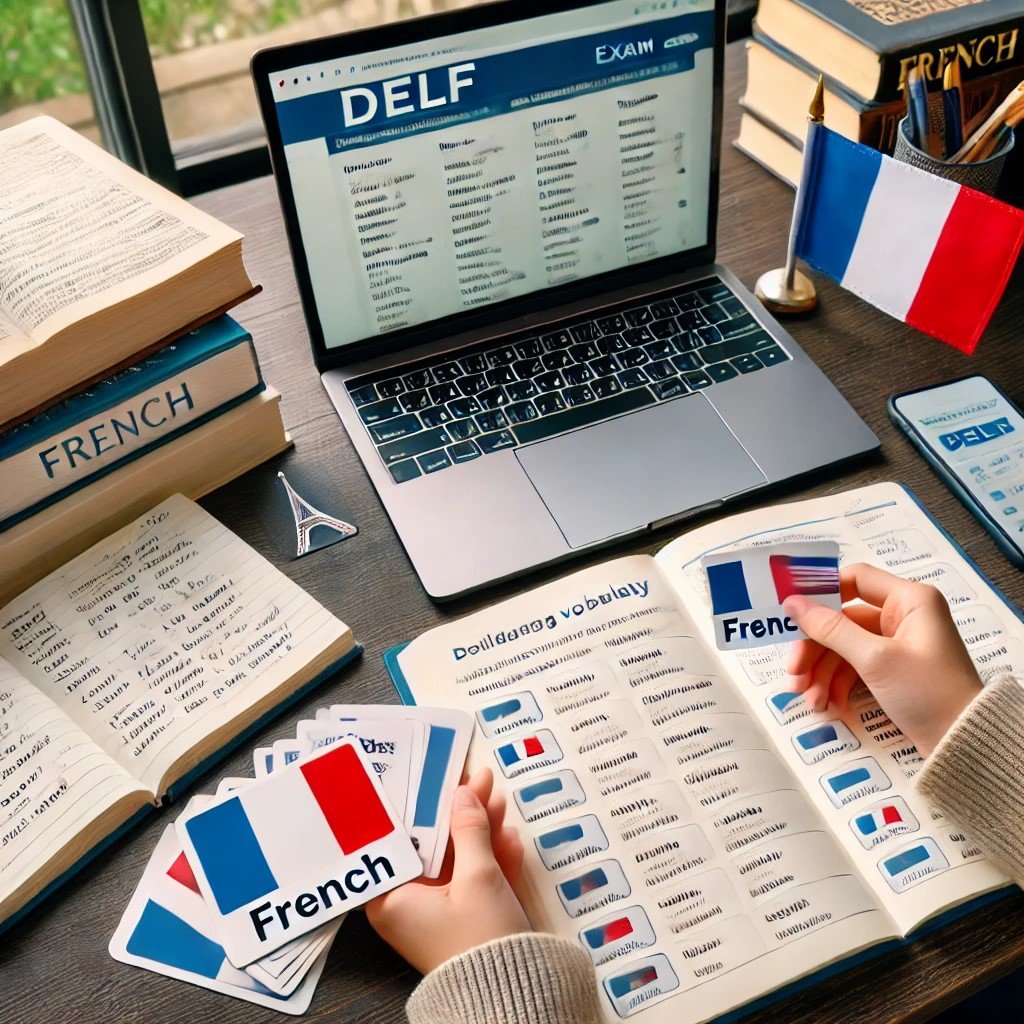
À l’examen du DELF A1, l’épreuve de production écrite demande de rédiger un texte court et simple (25 à 40 mots en général, parfois jusqu’à 80 mots pour un récit) en réponse à une situation de la vie quotidienne : écrire à un ami, organiser un rendez-vous, raconter un événement. Voici trois sujets typiques, chacun suivi d’une réponse modèle rédigée dans un français accessible au niveau A1.
French Liaison Rules Made Simple: When to Link Words and When Not To
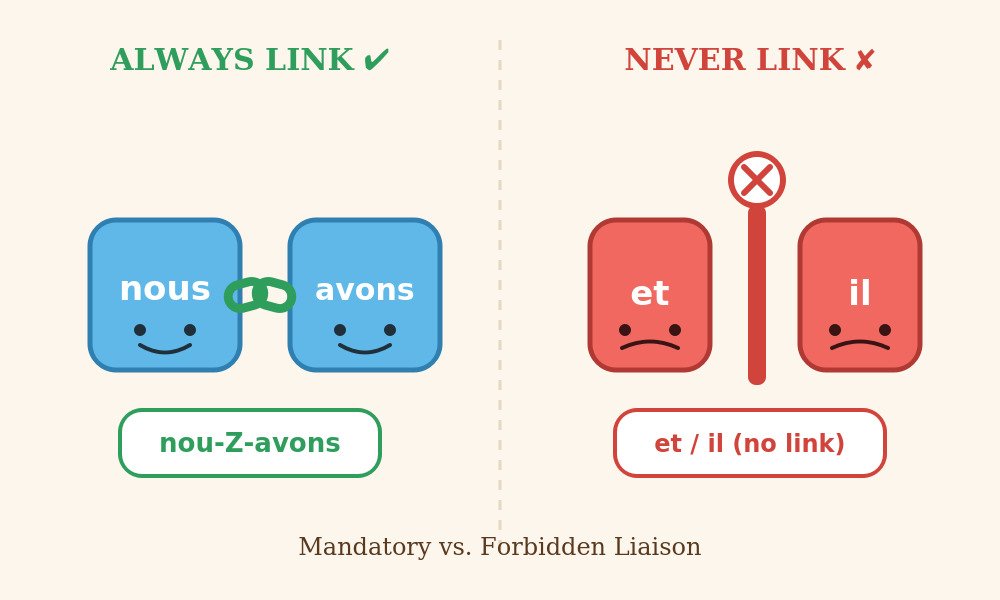
If you’ve ever paused a French podcast, rewound a sentence three times, and still couldn’t figure out where one word ended and the next one began — you’ve met liaison. It’s one of the biggest reasons spoken French sounds nothing like the French you read in a textbook, and it’s exactly why the jump from B1 to B2 feels like hitting a wall.
French Writing Skills: Production Écrite Tips & How to Write Emails and Letters in French
Speaking French fluently is one challenge — writing it well is another. Production écrite (written production) is one of the most tested and most avoided skills for French learners, whether it’s a school essay, a formal letter, or a simple work email. The good news: French writing follows patterns you can learn once and reuse forever. This guide walks you through the core principles of clear French writing, plus exact phrases for formal letters and emails.
Plus-que-parfait in French: Rules, Formation, Examples & Exercises
The plus-que-parfait is the “past before the past” — it sets up everything else on the timeline.
You already know the passé composé (a completed action) and the imparfait (background, description, habits) — we covered both in detail in our Passé Composé vs Imparfait guide. But French storytelling often needs a third layer: what had already happened before the main past event even started. That’s the job of the plus-que-parfait — the French pluperfect.
This guide covers exactly how to form it, when native speakers reach for it, the mistakes Indian learners make most often, and how it’s tested in DELF, TEF, and TCF Canada.
Common French Grammar Mistakes English Speakers Make (Beyond False Friends)
Faux amis get all the attention because they’re easy to laugh about — until you tell someone you’re “excited” using excité and get a strange look. But if you’ve already read our guide to false friends that trip up English speakers, you know vocabulary is only half the battle. The mistakes that actually keep your French sounding foreign for years are grammatical: gender agreement and prepositions. They’re small, they’re everywhere, and native speakers notice them instantly.
Listening Comprehension (Compréhension Orale) Strategies for DELF, DALF & TEF
Reading French, you can pause, re-read a sentence, or look up a word. Listening gives you none of that safety net — the audio plays once or twice, at native speed, and then it’s gone. That’s exactly why compréhension orale is the section most French learners say they fear the most, whether they’re preparing for the DELF B2, the DALF C1, or the TEF/TCF exams for Canadian immigration.
DALF C1 vs. DELF B2: What’s the Real Difference?
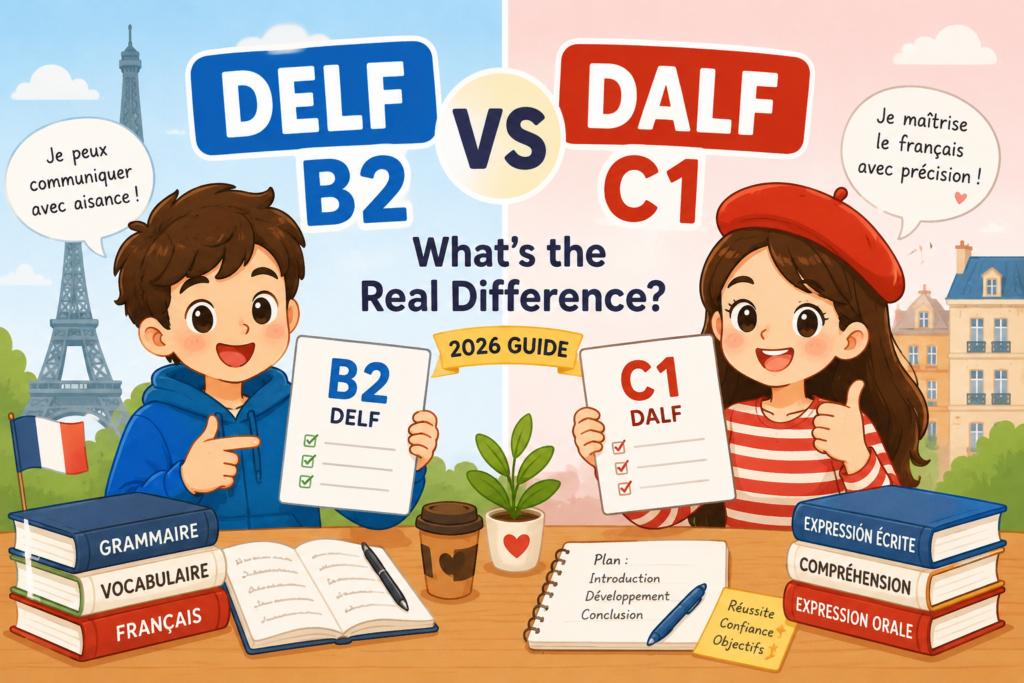
If you’ve been studying French for a while, you’ve probably run into two intimidating acronyms: DELF B2 and DALF C1. Both are official diplomas issued by the French Ministry of Education, both are valid for life, and both are accepted by universities, employers, and immigration authorities around the world. But they are not the same exam, they are not the same difficulty, and choosing the wrong one can cost you time and money.
Si Clauses in French: The Complete Guide to Conditional Sentences
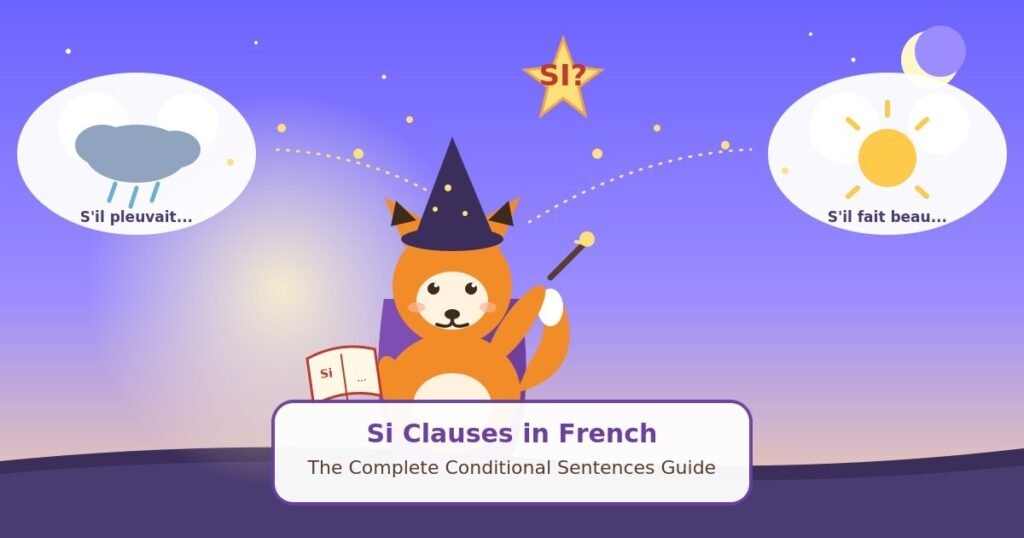
You already know how to say “if I have time” or “if I had known” in English without thinking twice. In French, that same simple word — si — opens the door to one of the trickiest grammar patterns learners face: knowing exactly which tense to pair it with, and which tense to use in the result.
False Friends (Faux Amis) That Trip Up English Speakers
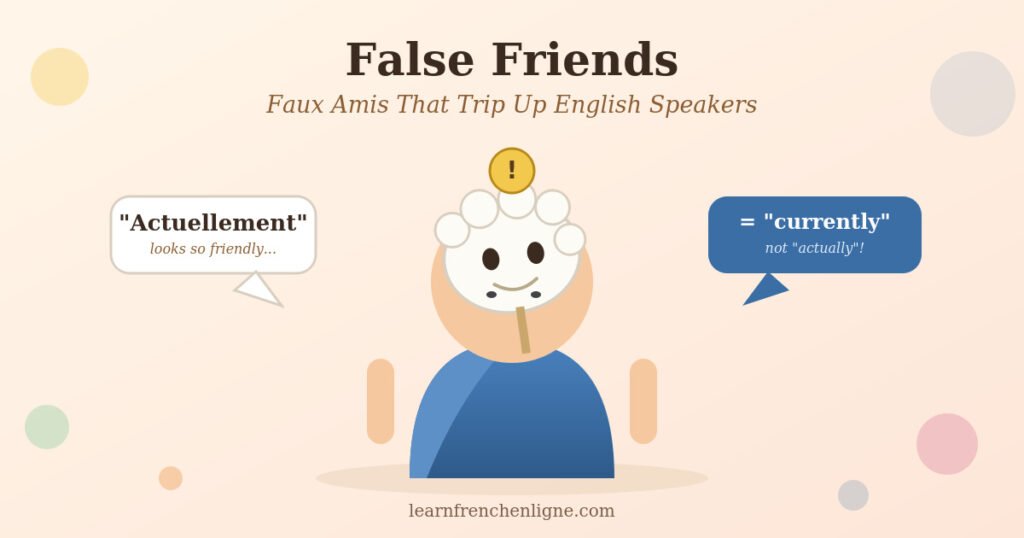
You spot a French word that looks exactly like an English one, so you use it with total confidence — and a native speaker gives you a confused look. Welcome to the world of faux amis, or “false friends”: words in French and English that share a spelling or sound but mean something completely different. They’re one of the sneakiest traps in language learning precisely because they don’t feel like mistakes. They feel like shortcuts.
This guide rounds up the false friends that catch English speakers most often, organized by how badly they can backfire, plus a few tricks for spotting new ones on your own.