
TEF Expression Écrite Section A- Fait Divers

La Section A de l’épreuve d’expression écrite du TEF (Test d’Évaluation de Français) demande au candidat d’imaginer et de rédiger la suite d’un article de presse — généralement un fait divers insolite — en 80 mots minimum, en 25 minutes. C’est un exercice à la fois créatif et exigeant : il faut respecter le ton journalistique, développer une suite cohérente et organiser le texte en plusieurs paragraphes. Voici la méthode à suivre, puis deux sujets complets avec leur réponse modèle.
TEF Section B : Exemple de Lettre au Journal.

Voici un exemple complet de réponse à l’épreuve de Section B (Expression Écrite) du TEF : une lettre au journal développant trois arguments en 200 à 250 mots, en réaction à une affirmation donnée. Le sujet et la réponse modèle sont présentés séparément ci-dessous pour que vous puissiez d’abord vous entraîner seul(e), puis comparer votre production à l’exemple.
French Liaison Rules Made Simple: When to Link Words and When Not To
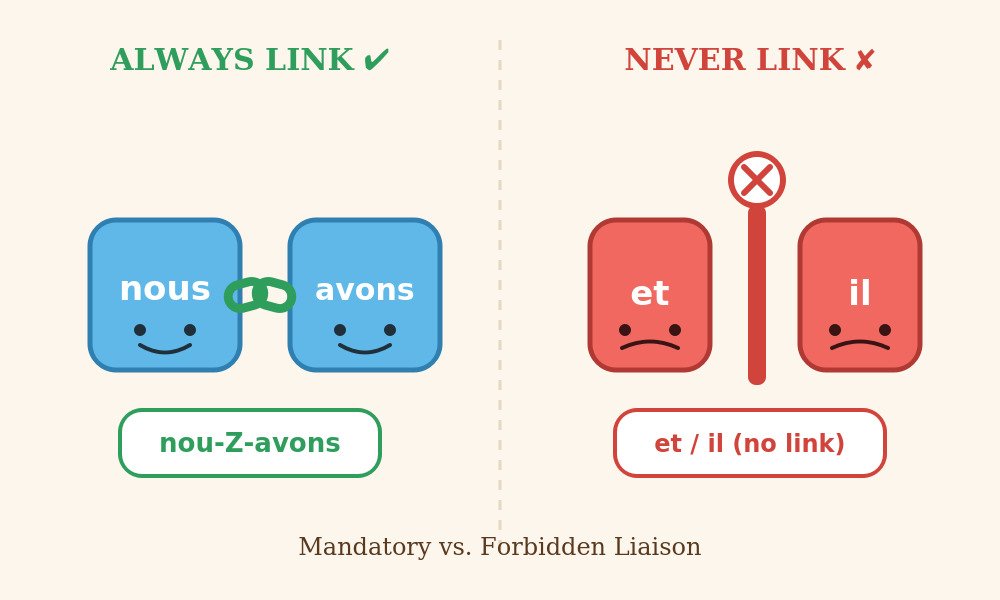
If you’ve ever paused a French podcast, rewound a sentence three times, and still couldn’t figure out where one word ended and the next one began — you’ve met liaison. It’s one of the biggest reasons spoken French sounds nothing like the French you read in a textbook, and it’s exactly why the jump from B1 to B2 feels like hitting a wall.
DALF C1 Oral Exam Example: A Full “Production Orale” on Biodiversity

If you are preparing for the DALF C1 and searching for a real example of the speaking exam, this post walks through an actual production orale topic — “L’espèce humaine peut-elle préserver la biodiversité ?” (“Can humankind preserve biodiversity?”) — along with a complete model response you can study, dissect, and use as a template for your own preparation.
Whether you’re working toward C1 for a French university application, a Canadian immigration file, or simply to prove advanced fluency for work, seeing a full worked example is one of the fastest ways to understand what examiners actually expect.
French Writing Skills: Production Écrite Tips & How to Write Emails and Letters in French

Speaking French fluently is one challenge — writing it well is another. Production écrite (written production) is one of the most tested and most avoided skills for French learners, whether it’s a school essay, a formal letter, or a simple work email. The good news: French writing follows patterns you can learn once and reuse forever. This guide walks you through the core principles of clear French writing, plus exact phrases for formal letters and emails.
Plus-que-parfait in French: Rules, Formation, Examples & Exercises
The plus-que-parfait is the “past before the past” — it sets up everything else on the timeline.
You already know the passé composé (a completed action) and the imparfait (background, description, habits) — we covered both in detail in our Passé Composé vs Imparfait guide. But French storytelling often needs a third layer: what had already happened before the main past event even started. That’s the job of the plus-que-parfait — the French pluperfect.
This guide covers exactly how to form it, when native speakers reach for it, the mistakes Indian learners make most often, and how it’s tested in DELF, TEF, and TCF Canada.
Listening Comprehension (Compréhension Orale) Strategies for DELF, DALF & TEF

Reading French, you can pause, re-read a sentence, or look up a word. Listening gives you none of that safety net — the audio plays once or twice, at native speed, and then it’s gone. That’s exactly why compréhension orale is the section most French learners say they fear the most, whether they’re preparing for the DELF B2, the DALF C1, or the TEF/TCF exams for Canadian immigration.
TEF Canada vs TCF Canada: Which French Exam Should You Take?

if your Canadian permanent residency or Express Entry file needs proof of French, you already know you can’t avoid this choice: TEF Canada or TCF Canada? Both are approved by Immigration, Refugees and Citizenship Canada (IRCC). Both convert your score into Niveaux de Compétence Linguistique Canadiens (NCLC) points. And picking the wrong one for your strengths can genuinely cost you Comprehensive Ranking System (CRS) points, time, and exam fees you don’t get back.
This guide breaks down exactly how the two exams differ — format, timing, scoring, and where each is accepted — so you can walk into registration with a clear target instead of a guess.
Le sujet : “Violence, les écrans en accusation
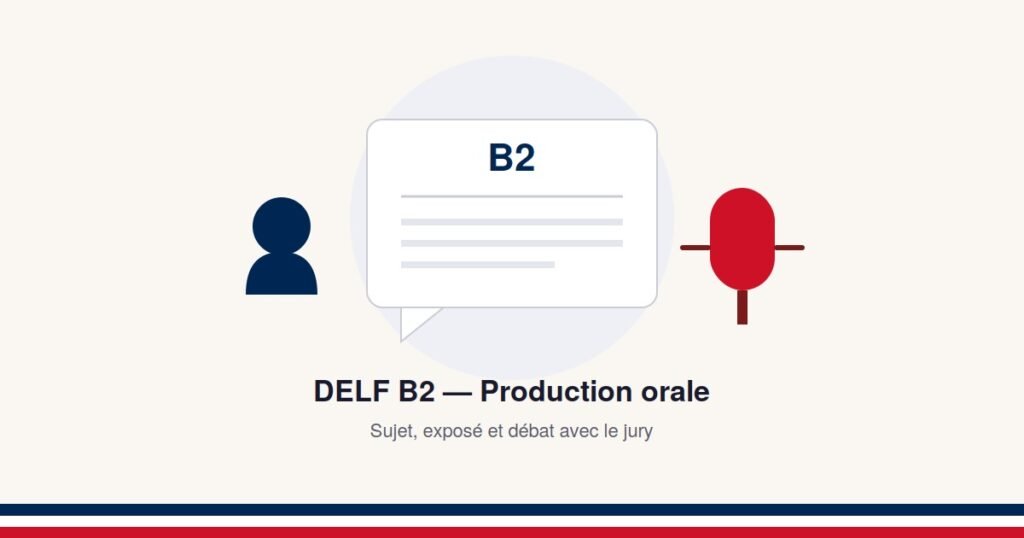
Mis à jour pour 2026. À l’oral du DELF B2, l’exposé de 3 minutes n’est que la première moitié de l’épreuve. Ce qui fait vraiment la différence entre une note moyenne et une bonne note, c’est le débat de 7 à 10 minutes qui suit — le moment où le jury vous pousse à défendre, nuancer ou reformuler votre position en temps réel. Ce guide reprend le sujet classique “Violence : les écrans en accusation” avec l’exposé corrigé, puis simule le débat avec le jury à travers des questions-réponses type, et termine par une stratégie concrète pour cette phase souvent négligée dans la préparation. Pour le format complet de l’épreuve, voir aussi notre guide de préparation au DELF.
Ne Explétif in French: The “Ne” That Doesn’t Mean No
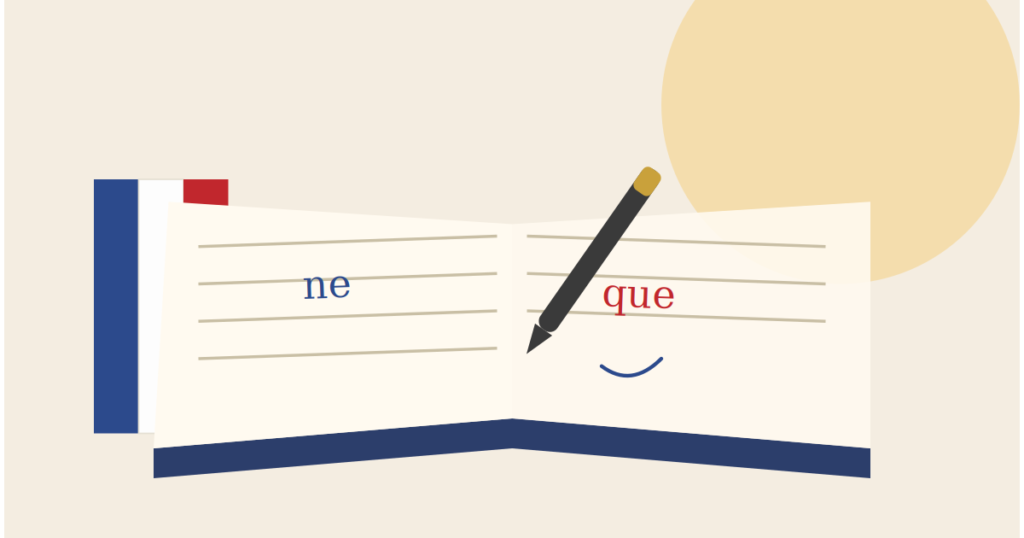
If you’ve ever read a French novel, a formal email, or an advanced listening transcript and spotted a lonely little ne sitting in a sentence that already seems positive, you’re not imagining things — and you haven’t misunderstood the grammar. You’ve just met the ne explétif, one of the most misunderstood corners of French syntax.