
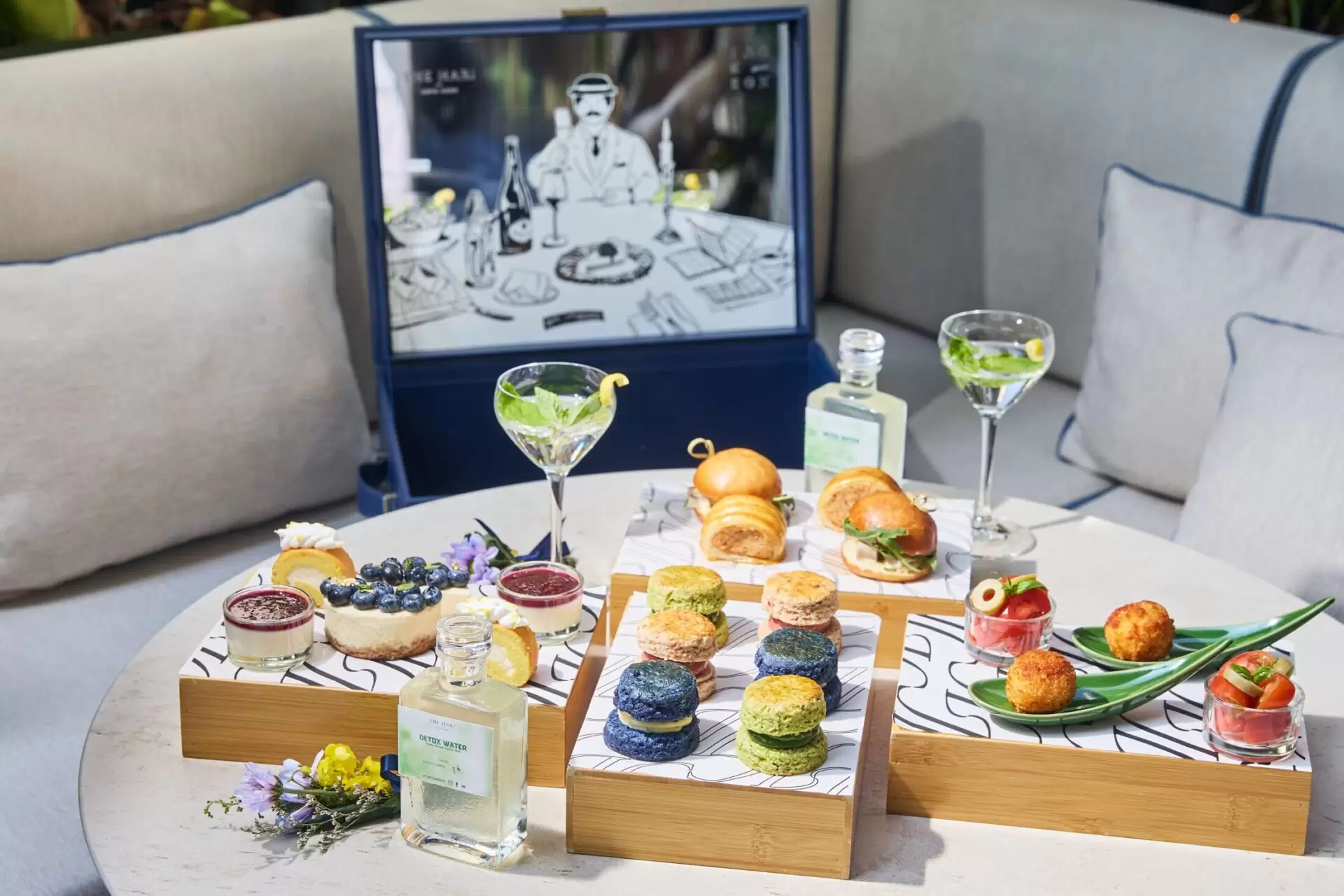
The Afternoon Infusion: Heritage, Hospitality, and Modern Rituals in Taipei and Hong Kong
Introduction
As the clock turns to mid-afternoon in Taipei and Hong Kong, a shared cultural pause takes place. Despite the differences in geography and historical trajectory, tea time remains an unshakeable daily anchor in both societies. Tea in this region transcends its status as a simple beverage; it functions as a lens through which community values, lifestyle paces, and culinary ingenuity are expressed. While Taiwan has directed its afternoon ritual toward sensory preservation and agricultural mindfulness, Hong Kong has synthesized its indigenous traditions with Western colonial habits to create a high-octane social event. Together, these two regions demonstrate how a single plant can adapt to meet the divergent needs of contemporary urban life.
Taiwan: Cultivating Peace and Terroir
Taiwanese afternoon tea culture operates as a deliberate retreat from the stress of rapid industrialization, anchored by a profound respect for the island’s unique mountain climates.
The Hillside Sanctuaries
- The Ambiance: Quiet, deliberate, and highly focused on the natural environment.
- The Destinies: The historic, cliffside tea houses of Jiufen or the wooden pavilions tucked into the misty ridges of Maokong.
- The Execution: Guests practice Gongfu Cha (making tea with precision and skill), handling small clay pots and aroma vessels over controlled water temperatures.
- The Varietals: Hand-rolled High Mountain Oolong, floral Baozhong, and rare, honey-scented Oriental Beauty oolong.
Modern Urban Leaf Salons
This deep reverence for the leaf has transitioned smoothly into modern city centers. In Taipei, contemporary tea lounges reject traditional clutter, opting instead for minimalist designs that look like high-end art galleries. Here, single-origin oolongs are cold-brewed over twelve hours and served in delicate wine glasses to emphasize their clarity and bouquet. The snacks accompanying these brews are intentionally subtle—such as roasted pumpkin seeds, lightly sweetened mung bean pastries, or local dried fruits—ensuring the complex, shifting flavor profile of the liquid remains the absolute center of attention.
Hong Kong: The Kinetic Fusion of East and West
Across the water, Hong Kong treats afternoon tea time—popularly celebrated as San Dim (3:00 PM)—not as an escape from urban momentum, but as an energetic fuel stop within it. This subculture is a direct product of British colonial trading history merging with Cantonese speed.
The Cha Chaan Teng Hustle
- The Setting: The neighborhood Cha Chaan Teng (Hong Kong-style café), packed with green formica booths, mirrored walls, and clattering plates.
- The Tonic: Silk Stocking Milk Tea, a highly concentrated blend of Sri Lankan black teas filtered through a fine cloth sack, then married with creamy evaporated milk.
- The Energy: Loud, fast-paced, and highly democratic, serving as a functional, affordable pitstop for the city’s working class.
- The Comforts: Heavy, calorie-dense foods like pineapple buns packed with melting slabs of real butter (Bolo Yau) and thick French toast drenched in syrup or condensed milk.
The Afternoon Yum Cha
For those seeking a more traditional, communal experience, the afternoon belongs to Yum Cha (drinking tea). Families and coworkers crowd around large circular tables in roaring banquet halls. Huge porcelain pots of dark, fermented Pu-erh, bitter Shoumei, or crisp Jasmine tea are replenished constantly by floor staff. Here, the tea serves a functional, digestive purpose: its sharp, cleansing astringency cuts through the rich fats of afternoon dim sum plates, from steamed barbecue pork buns (char siu bao) to translucent shrimp dumplings (har gow).
+-------------------+-----------------------------------+-----------------------------------+
| Cultural Anchor | Taiwan Afternoon Tea | Hong Kong Afternoon Tea |
+-------------------+-----------------------------------+-----------------------------------+
| Core Environment | Quiet mountain ridges & design-cafes| Bustling urban cafes & diners |
| Beverage Base | Whole-leaf, single-origin Oolong | Blended Black Tea with milk/sugar |
| Culinary Focus | Light, palate-cleansing snacks | Heavy, sweet-and-savory comfort |
| Primary Goal | Stress relief, mindfulness, nature| Socializing, quick energy boost |
+-------------------+-----------------------------------+-----------------------------------+
Conclusion
The mid-afternoon teapot exposes the contrasting cultural mechanics of these two societies. Taiwan utilizes tea time to slow the world down, inviting the individual to look inward and honor the output of the soil. Hong Kong harnesses tea time to accelerate connection, turning an https://www.teatimeus.com/ aristocratic Western custom into an accessible, working-class engine. Whether experienced through the quiet hiss of a kettle on a Taiwanese peak or the clatter of thick ceramic mugs in a roaring Hong Kong diner, the ritual proves that a single leaf can tell entirely different stories of human survival and connection.
To help advance your publishing goals for the next assignment, please let me know your preferences:
- Should the next article focus on a step-by-step brewing guide for these specific regional styles?
- Would you prefer an exploration of the global business expansion of Taiwanese bubble tea brands?
- What target audience or specific digital publication platform are you writing for next?