Custom food paper performance starts with the making of the base material and how it can withstand moisture, grease, and heat without disintegrating. Regular fiber density and coating determine the quality of food contact and presentation support of the paper. Companies with high volumes of their businesses usually rely on wholesale custom paper to ensure that the quality remains the same throughout all packaging units. The strength of the materials has an effect on the ability of the paper to work under pressure, particularly in wrapping or lining objects that emit oil or liquids. Food paper should be custom and therefore have a good structural integrity, but at the same time be flexible to handle easily. The paper that does not perform in simple conditions results in ineffective operations and poor brand image at the point of sale.
Production Process
During the manufacturing of custom-printed food paper, the printing process is done in a very precise manner so that the end product does not lack clarity and alignment even when the process is repeated. The way the ink adhesion and curing techniques are done will dictate the level of resistance of the design through the course of usage, especially under heat or humidity. Crystal-clear and consistent output will favor the businesses that focus on the visual identity when it comes to the packaging. The usability and the appearance of custom food paper in fast-paced environments are influenced by manufacturing standards. The processes are controlled in such a manner that the thickness and finish of each sheet are the same, and performance can be predicted between batches. When the production varies, it may result in inconsistency that influences the appearance and functionality.
Design Control
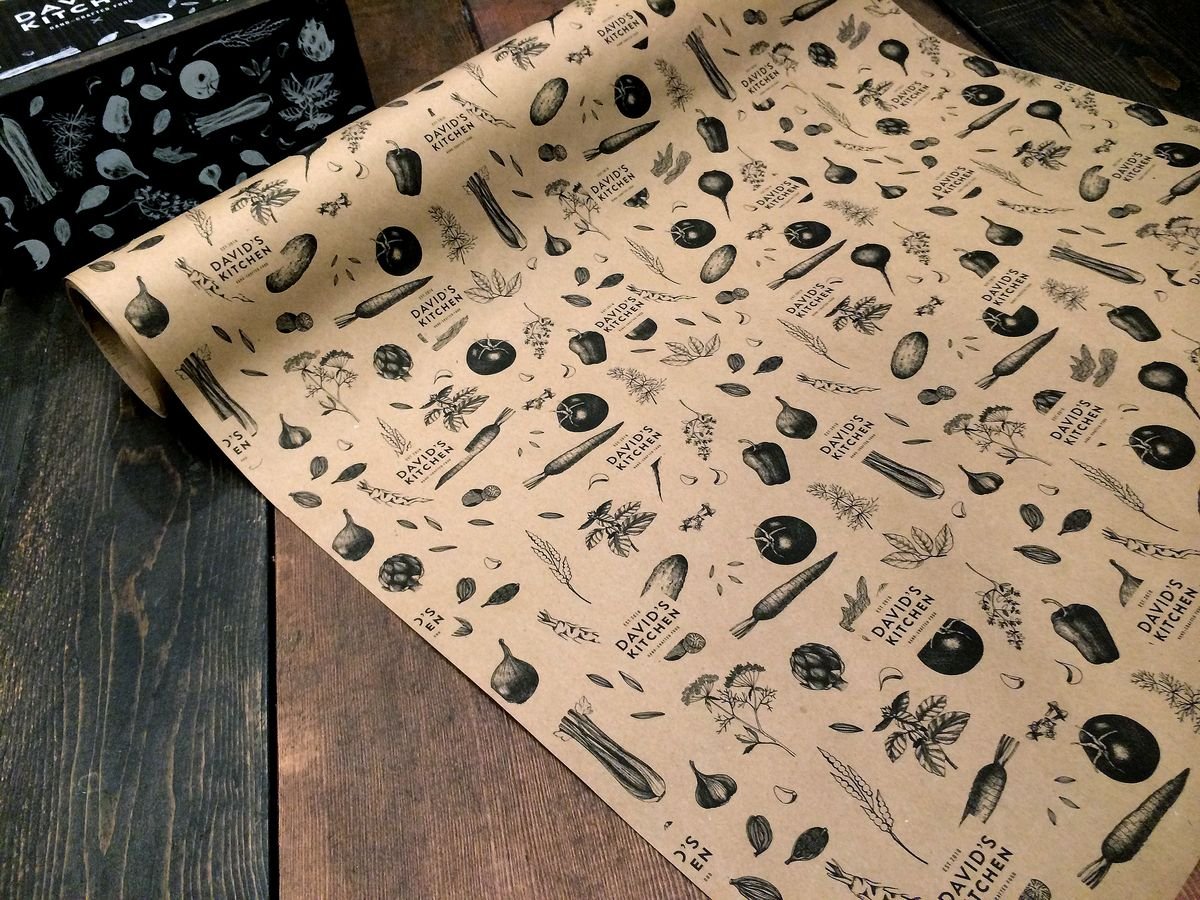
The design is a key aspect of custom food paper liners‘ communication of brand identity at the delivery point. Placing of prints, color, and spacing have to be calibrated to fit in the packaging size. An effective design builds recognition and customer perception, using repeated exposure. Layout and scale can be controlled to make a custom food paper to fit well with other packaging formats. The packaging can be functional and visually clear when the elements of design are handled in a proper manner. This balance is significant to firms that want to have a uniform appearance in their numerous product lines.
Supply Structure
The food paper wrap food supply chains should experience consistency in supply to ensure continuity of food service operations. Lateness in the procurement process may interfere with the work process and customer satisfaction. Trustworthy suppliers aim to have stock that is in line with demand cycles. The distribution networks determine the speed at which custom food paper is being distributed to the final consumer. Effective logistics systems enable the preservation of products in terms of freshness and quality, and put less pressure on storage for businesses. Supply stability can enable the operations to be scaled without affecting the packaging standards.
Performance Factors
Food paper sheets should be effective, and this is determined by their ability to resist grease, heat, and tearing. These characteristics are what define the performance of the paper when they come into direct contact with food items. Powerful performance features assist in keeping the place clean and presentable. The food paper should be custom and have the right balance of durability and flexibility to fit the various types of food and serving styles. The performance testing is done to guarantee the material will be able to sustain itself in the real world. Consistent performance will minimize wastage and facilitate efficient working processes in crowded kitchens.
Storage Handling
The storage conditions of printed food paper are necessary to ensure the quality of the print and the integrity of the materials. The moisture or overheating may influence the structure as well as the appearance. Special storage conditions aid in the maintenance of the functionality of every batch. The practices involved also affect the performance of custom food paper as it is used. Attentive stacking and avoiding contamination contribute to the standards of hygiene. The same handling procedures minimize the chances of mishandling prior to the use of the product in the target area.
Business Value
The wholesale custom food paper allows businesses to control the cost and still package their food using the same quality. Bulk buying helps in long-term planning, and less frequent re-ordering is required. Custom paper wholesale this practice helps in facilitating operations and improving resource allocation. Custom food paper will also be beneficial as it reinforces brand presence with every interaction with the customer. Packaging becomes the experience, and it affects the perception and memory. An effective packaging strategy builds a strong identity and hardly needs extra touchpoints.
Conclusion
Custom food paper is the key component in a packaging system that warrants consistency, durability, and presentation to cross. All stages, such as the selection of material until the final application, can add up to the performance of the product in real conditions. Companies that are focused on high-quality materials and process control achieve more predictable results. The consideration of design, supply structure, and handling practices ensures efficiency in the long run. The stable foundations of packaging contribute to the continuity of operational flow and quality that is presented in the hands of the customers.